24th JMRC International Presenter | Public School Educator | Robotics and Digital Learning Advocate
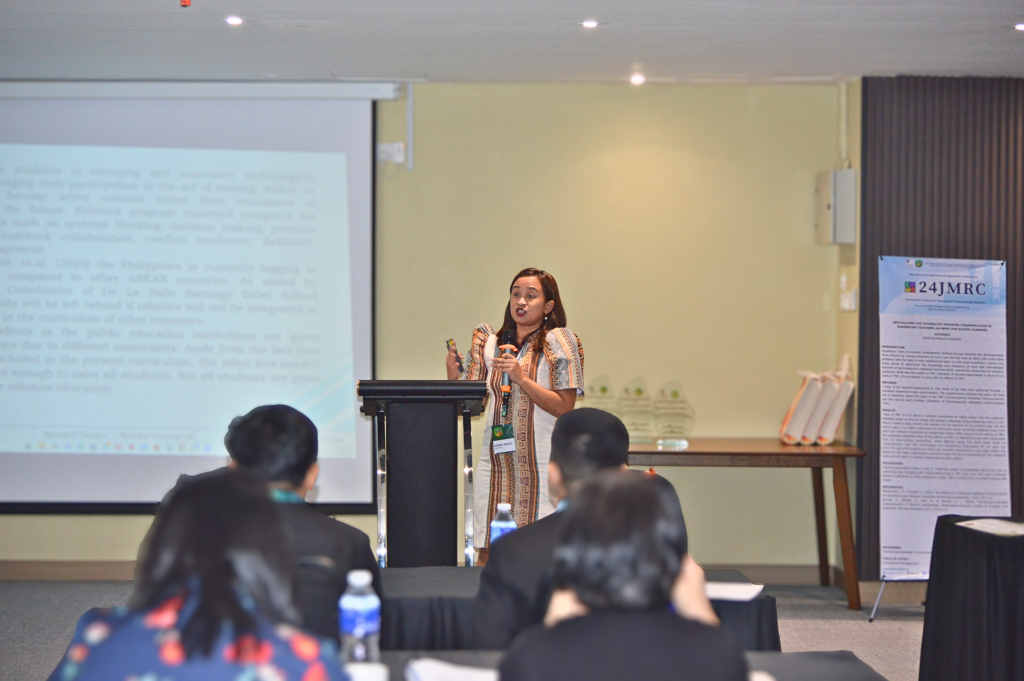
Where Scientific Discovery Begins
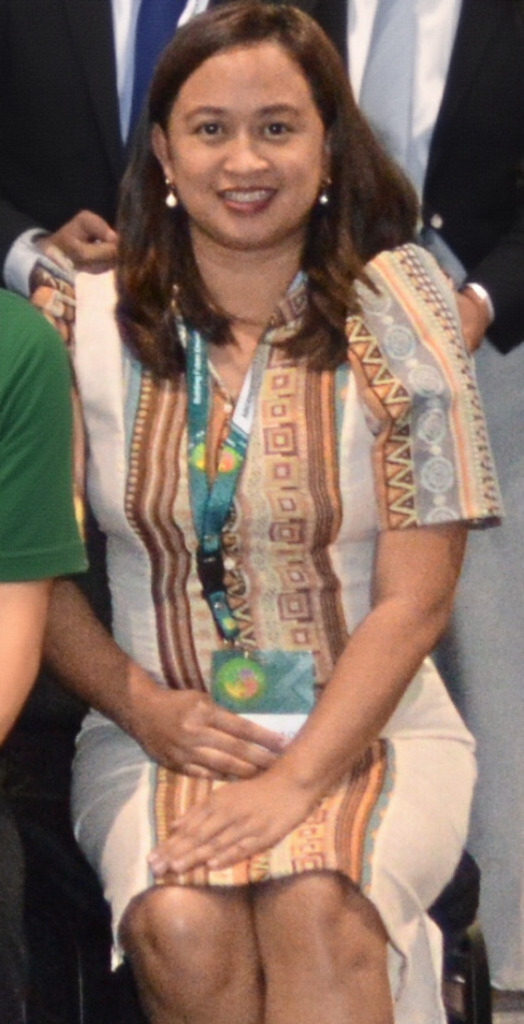
For more than a decade, Marry Grace M. Gayeta has stood at the forefront of science education in the public school system. Since 2012, she has nurtured curiosity in junior high school learners—guiding them not only to understand scientific concepts but to question, explore, and experiment.
In 2015, she took a bold step forward by becoming a Robotics Coach, introducing students to coding, design, and hands-on innovation. By 2022, she expanded her role yet again—mentoring student researchers and helping them investigate real-world problems through structured inquiry.
“My interest in research grew from my passion for science and the desire to help students explore real-world problems through investigation and experimentation,” she shares.
Her journey in robotics strengthened that conviction. Watching students build, program, troubleshoot, and succeed convinced her that robotics is not a luxury—it is a necessity for future-ready education.
The Research That Elevates Skills
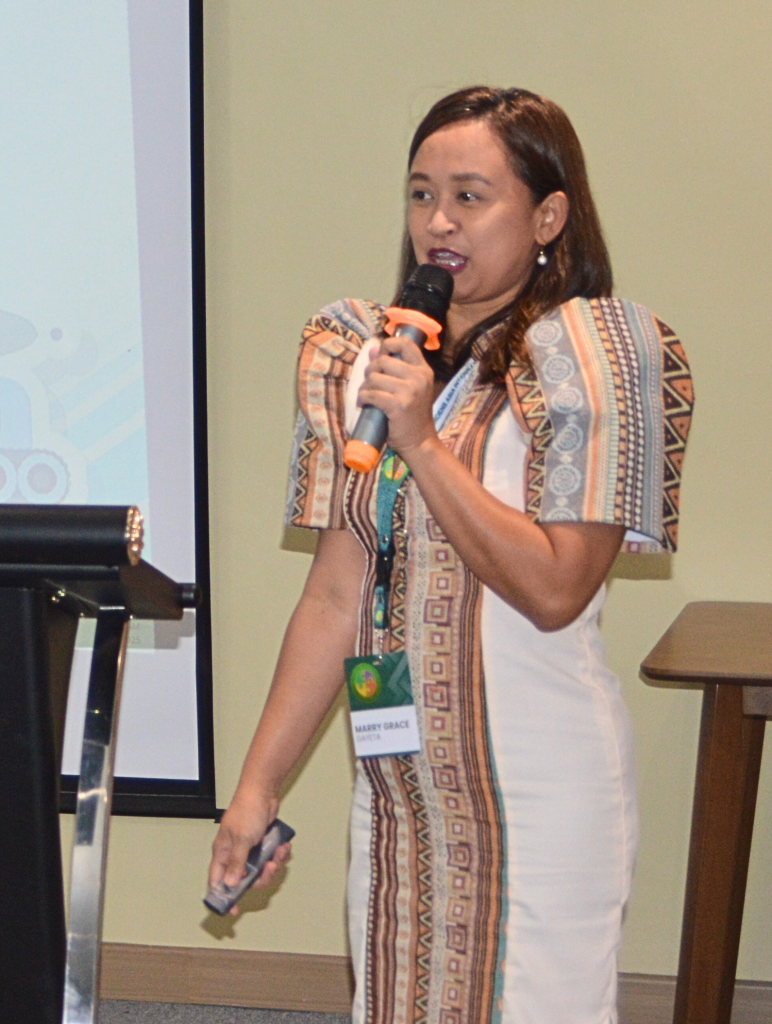
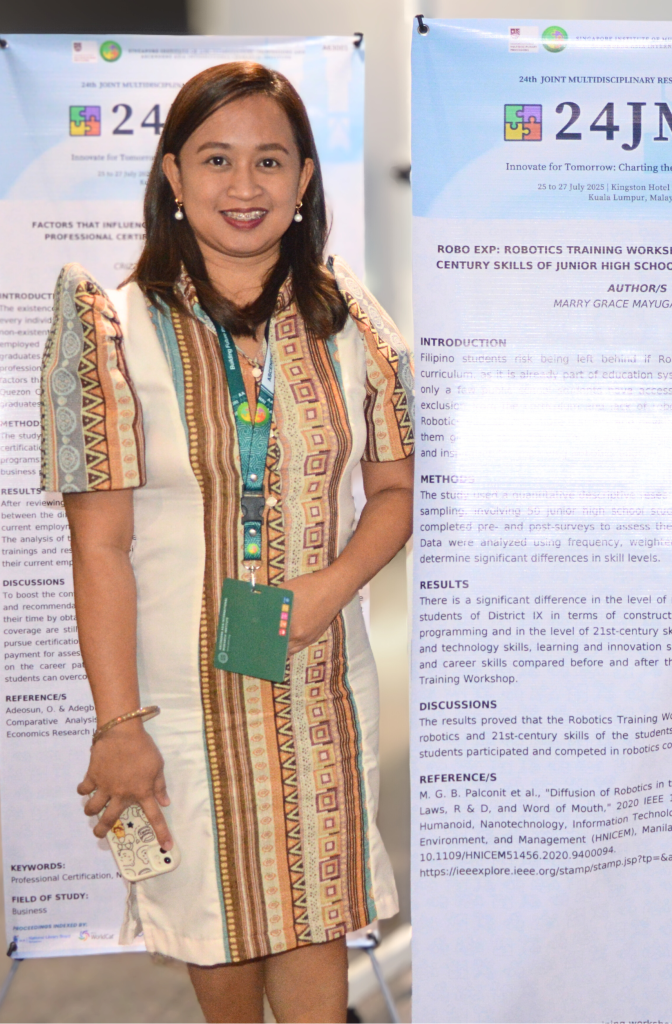
At the 24th Joint Multidisciplinary Research Conference (24JMRC) in Kuala Lumpur, Malaysia, Marry Grace presented her study:
“ROBO EXP: Robotics Training Workshop in Elevating the 21st Century Skills of Junior High School Students of District IX.”
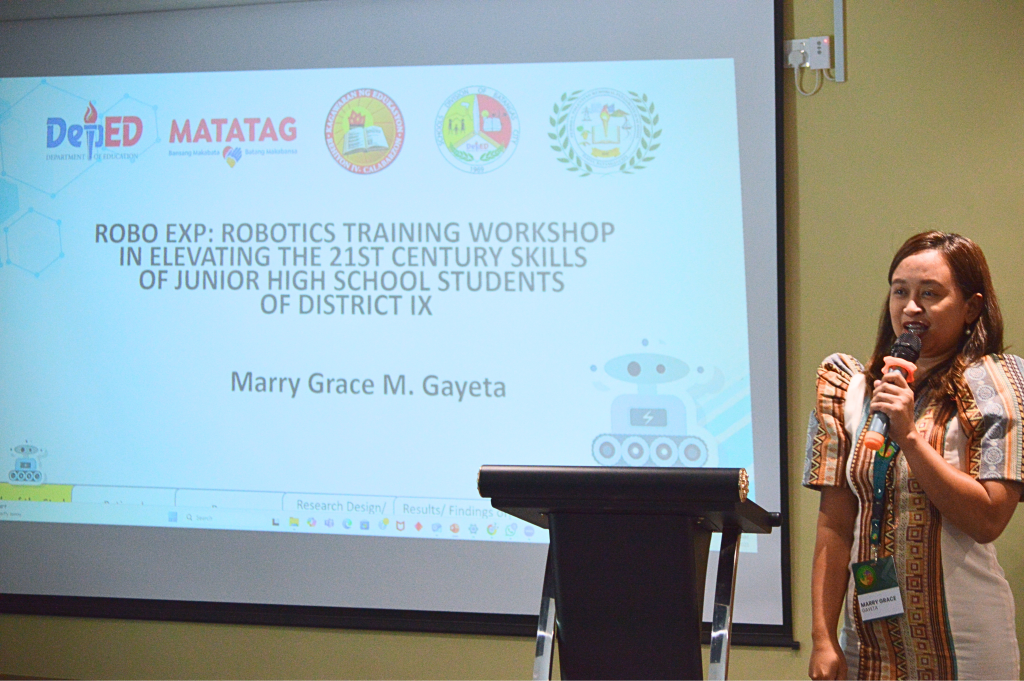
Her research examined how a structured robotics training workshop enhances both technical robotics competencies—such as construction, design, and coding—and essential 21st-century skills including innovation, communication, collaboration, and technology integration.
What inspired the study was a pressing reality: limited access to robotics education in public schools, despite its global relevance.
“I was motivated by the lack of access to robotics education in public schools despite its global relevance and integration in other countries’ curricula,” she explains.
The results were compelling. Students who participated in the workshop demonstrated significant improvement in both robotics proficiency and broader skill development. Beyond the data, the transformation was visible—students initiating projects independently, confidently presenting ideas, and even joining robotics competitions.
Her research underscores a powerful call: robotics programs must be accessible, consistent, and collaborative—bridging Science and TLE disciplines to sustain innovation in schools.
Overcoming Barriers with Creativity
Like many educators in public institutions, Marry Grace faced resource constraints. Limited robotics kits and equipment meant participation had to be carefully managed.
Rather than viewing this as a setback, she maximized available tools, designed collaborative rotations, and sought support from school leaders and local partners.
“Conducting this research was both enriching and inspiring,” she says. “Seeing the students’ growth and excitement during the workshop made the entire journey fulfilling.”
One of her most memorable moments came when post-assessment results confirmed measurable improvement. Yet an even greater breakthrough was intangible—students confidently initiating their own robotics builds and stepping into competitions with pride.
That, she believes, is the true impact of innovation in education.
A Proud Moment on the International Stage
Presenting at the 24JMRC was both humbling and empowering.
Sharing her findings with an international audience affirmed the relevance of robotics integration in Philippine public schools. It also opened doors to conversations with educators and researchers who share a passion for innovation in teaching.
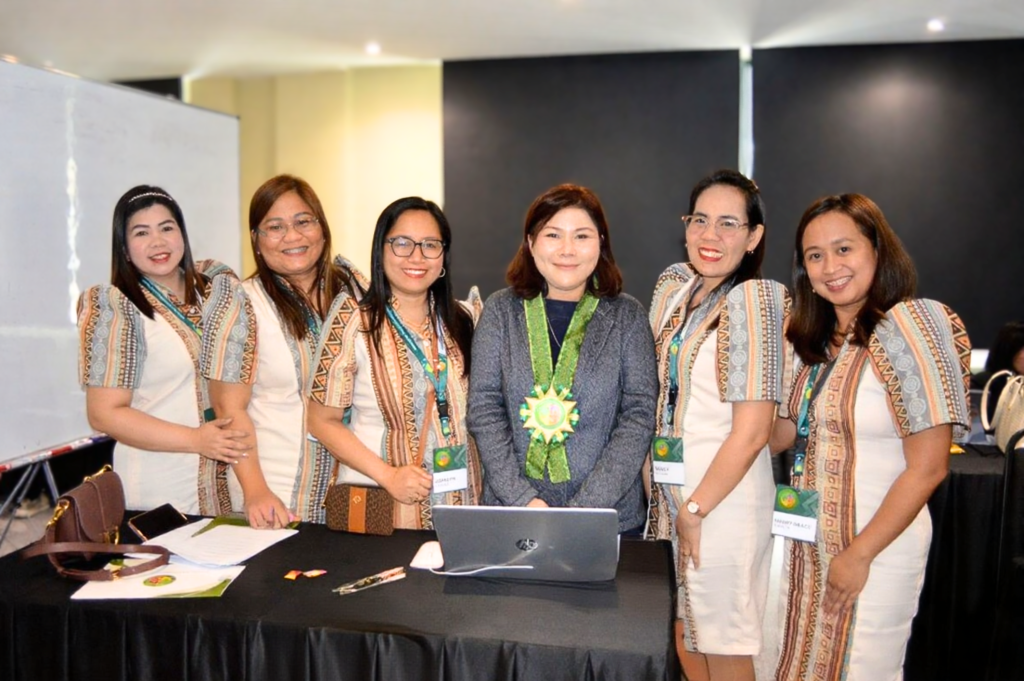
“Presenting to an international audience was a proud and humbling experience. It affirmed the relevance of my work and encouraged me to continue advancing research in education and technology.”
The exchange of ideas—across countries and disciplines—reinforced her belief that public school innovation belongs on the global stage.
The Future: AI, Robotics, and Inclusive STEM
Looking ahead, Marry Grace envisions deeper integration of artificial intelligence and robotics to strengthen STEM learning. She is particularly interested in exploring how robotics influences students’ career interests, digital readiness, and long-term technology engagement.
“I envision my work helping bridge the digital divide by providing more inclusive access to robotics and technology education. Ultimately, I hope to empower students with the skills and mindset needed to thrive in a rapidly changing world.”
Her goals include publishing more research in science and technology education, mentoring fellow teachers, and guiding students toward impactful scholarly work.
In every initiative, her mission remains clear: innovation must be inclusive.
“Research in robotics education isn’t just about data, it’s about discovering how innovation transforms lives.”
— Marry Grace M. Gayeta
Growing with AAIRI
Marry Grace credits the Ascendens Asia International Research Institute (AAIRI) for providing a meaningful platform to showcase her work and engage with a supportive research community.
Through the conference experience, she gained confidence not only as an educator but as a researcher contributing to global dialogue.
“I look forward to gaining more research exposure through future conferences and publications under Ascendens Asia. I’m also excited to engage in collaborative projects and training programs that foster innovation in education.”
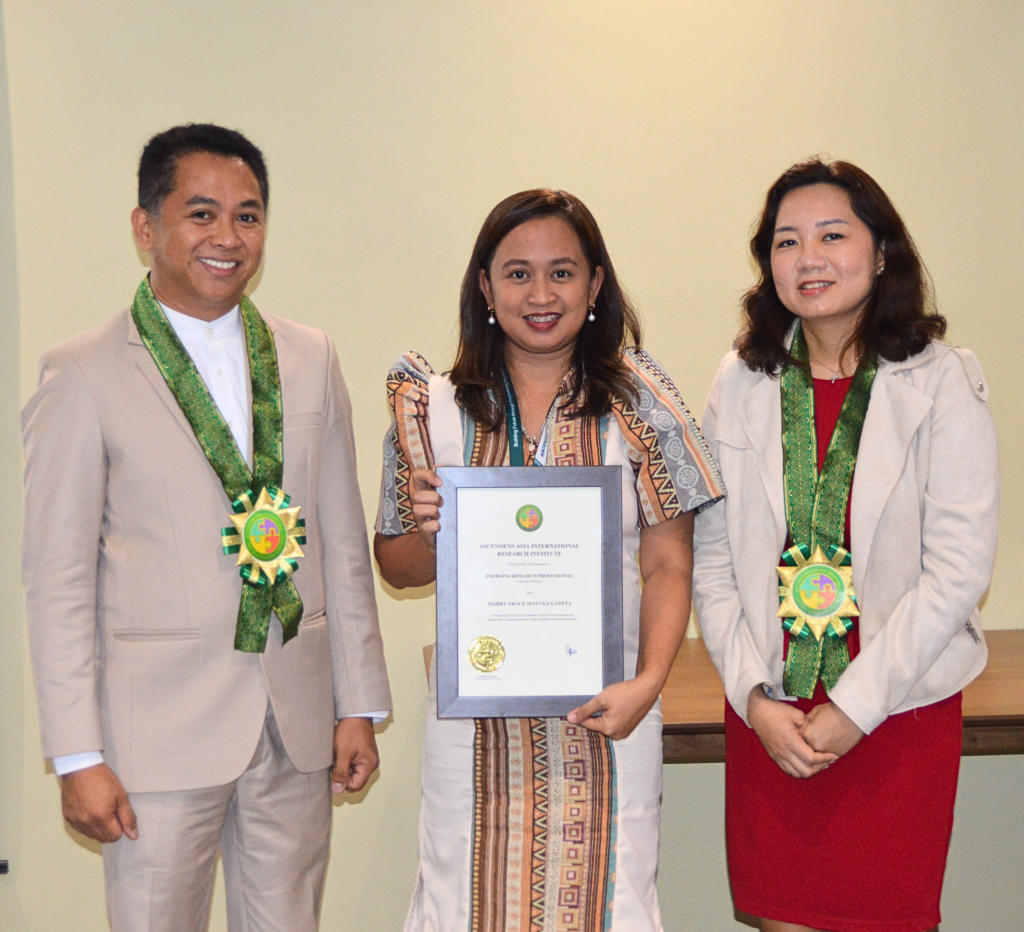
She sees immense potential in expanded mentorship programs, funding opportunities, and accessible research training initiatives—mechanisms that can amplify educators’ voices and sustain a culture of excellence in teaching.
A Final Word to Fellow Educators
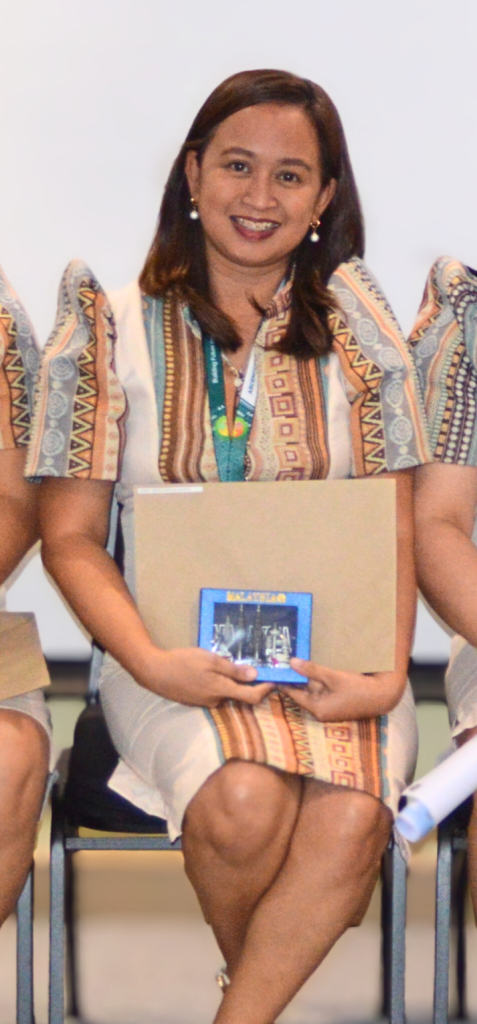
“To fellow educators and aspiring researchers: pursue innovation with courage and purpose. Let us continue to create learning experiences that equip students not only for exams—but for life.”
As classrooms evolve and technology reshapes learning, educators like Marry Grace remind us that robotics is not merely about machines. It is about empowerment. It is about access. It is about giving students the confidence to build—not just robots—but their future.
For educators ready to bring their research to the international stage and collaborate within a dynamic scholarly network, AAIRI continues to open pathways where innovation meets impact.
For more information on upcoming research festivals and collaborations, stay connected with Ascendens Asia International Research Institute.
Email: connect@aairi.org
WhatsApp: +63 (976) 413 1096 / +65 8413 7706




Social Profiles