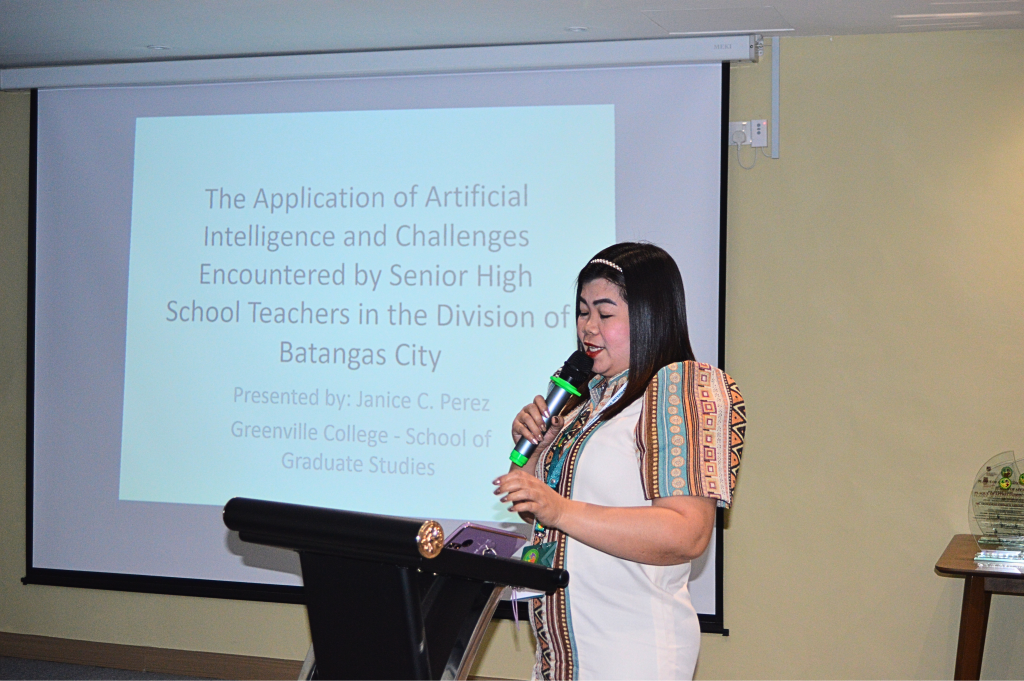
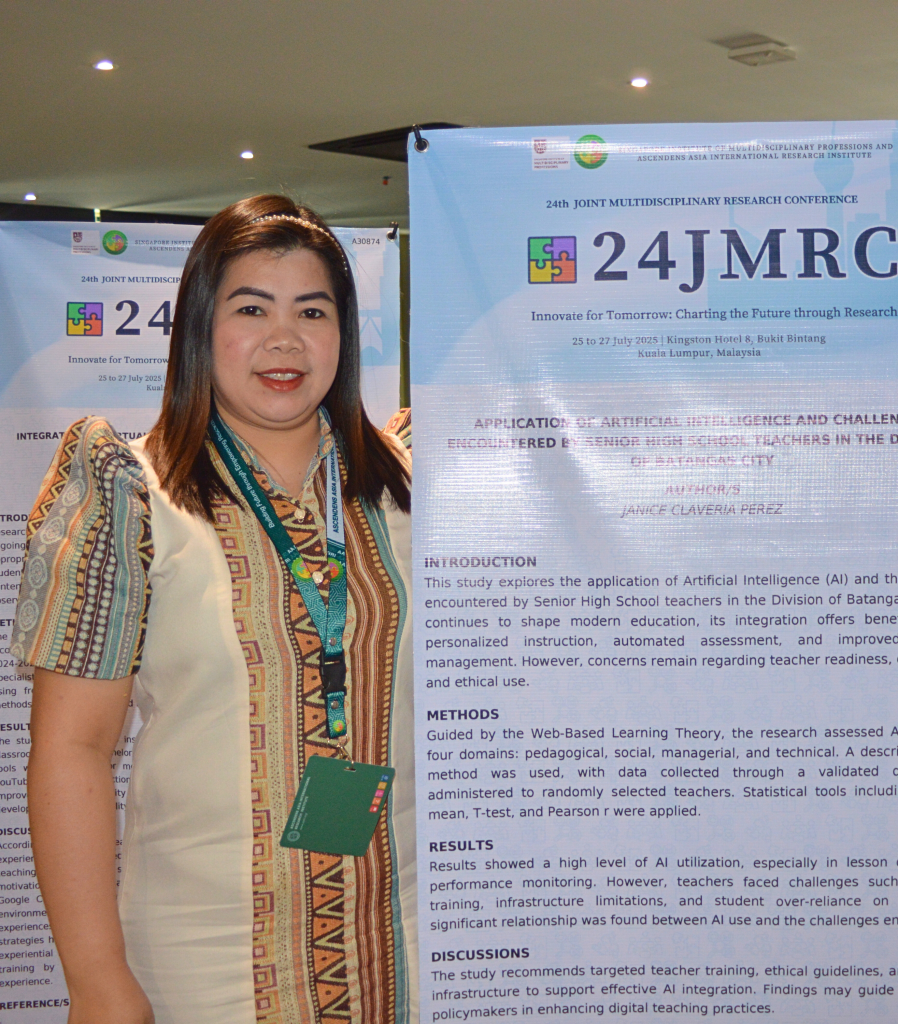
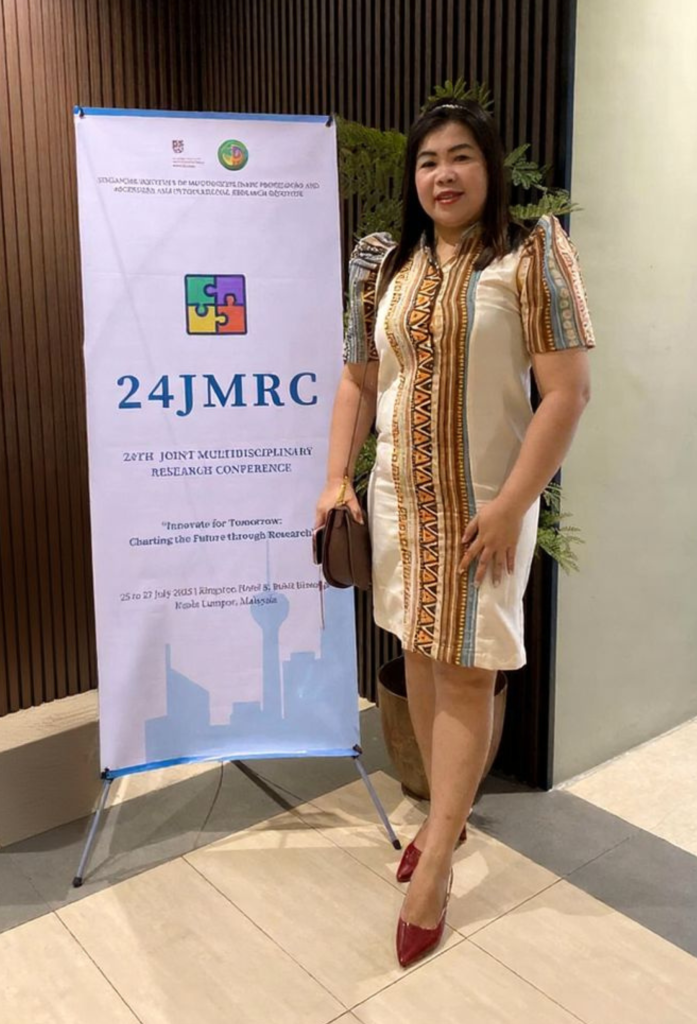
Janice C. Perez at the 24th Joint Multidisciplinary Research Conference
“Classroom research should inspire action and extend its influence beyond school walls.”
— Janice C. Perez
In an era where artificial intelligence is rapidly reshaping classrooms, one Filipino educator is ensuring that innovation is guided not just by technology—but by responsibility.
Janice Claveria Perez, Research Teacher at Pedro S. Tolentino Memorial Integrated School in Batangas City, stood as a delegate at the 24th Joint Multidisciplinary Research Conference (24JMRC) in Kuala Lumpur, Malaysia, representing the Philippines in a critical global conversation: How do we integrate AI in education without losing the heart of teaching?
Where Research Meets Real Classrooms
With 14 years of experience in research education, Janice’s journey bridges academic rigor and classroom reality. She previously spent seven formative years at De La Salle Lipa before continuing her advocacy within the Department of Education (DepEd) system. Since 2021, she has led research coordination in District IX, SDO Batangas City, mentoring teachers and guiding them in producing research that addresses pressing challenges in basic education.

“My passion for research grew from a desire to transform classroom frustrations into meaningful educational solutions,” Janice shares.
For her, research is not an academic requirement—it is a tool for professional empowerment. It transforms daily teaching struggles into documented insights capable of influencing policy, pedagogy, and practice.
Highlighted Study: AI in Senior High School Classrooms
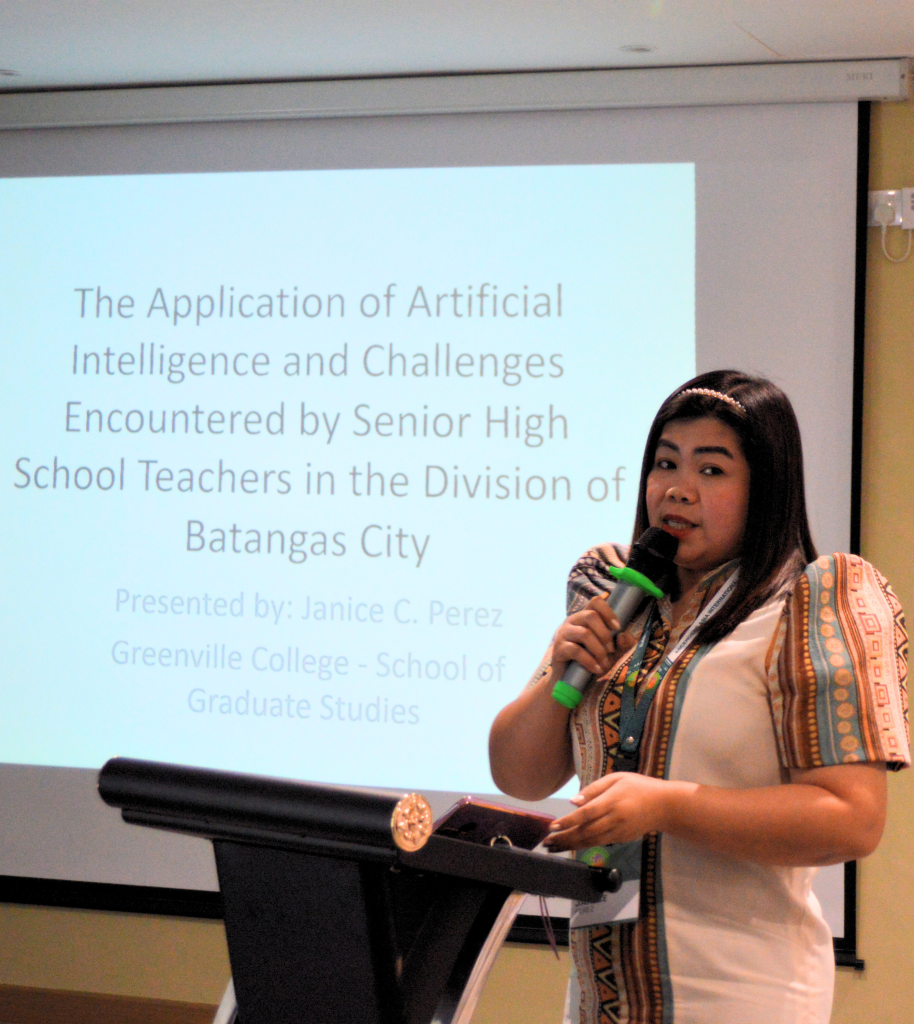
At 24JMRC, Janice presented her study, “The Application of Artificial Intelligence and Challenges Encountered by Senior High School Teachers.”
Her research examined the growing use of AI tools in senior high school classrooms and the complex questions emerging alongside them:
- How does AI affect teacher credibility?
- What happens to student authenticity in AI-assisted tasks?
- Are educators prepared to use these tools ethically?
“Many teachers are adopting AI tools without a full understanding of their implications. That’s a gap we can’t afford to ignore,” she explains.
Her findings underscore a crucial truth: AI integration must be grounded in literacy, ethics, and teacher agency. Technology should support—not replace—educators. Without proper training and clear guidelines, innovation risks creating confusion rather than clarity.
From Skepticism to Strategy
The speed of AI advancement has brought both excitement and uncertainty. One of Janice’s greatest challenges was addressing teachers’ hesitation about their evolving role in AI-supported classrooms. Through research-backed dialogue and professional development sessions, she witnessed a shift.
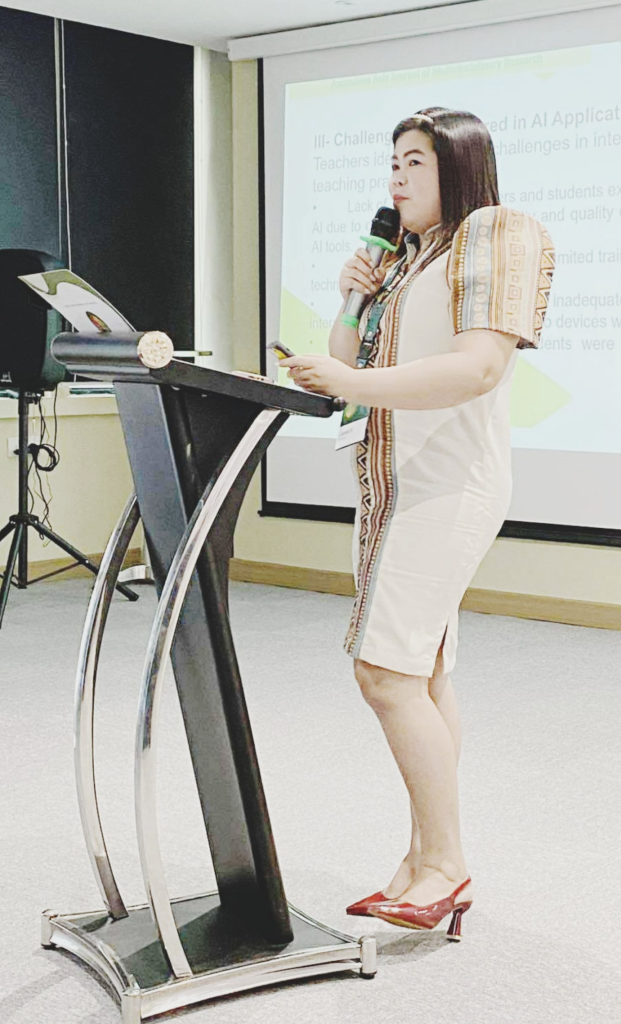
“Seeing fellow educators reframe their mindset and gain clarity from this research made the journey worthwhile,” she reflects.
Instead of resisting AI or embracing it blindly, teachers began exploring strategic integration—using AI to enhance lesson planning, differentiate instruction, and streamline administrative tasks while preserving authentic learning.
Representing the Philippines on the Global Stage
Janice is no stranger to international forums, having presented in Hong Kong, Singapore, and Thailand. Yet the 24JMRC in Malaysia marked a particularly meaningful milestone—not just for her, but for the educators she mentors.
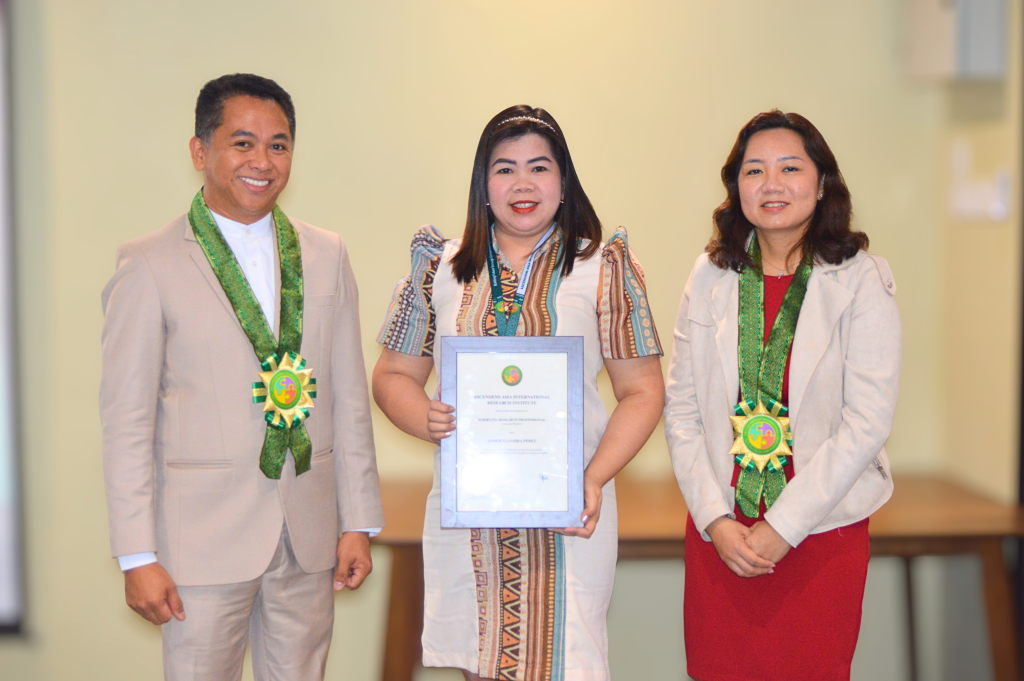
“Mentoring others and watching them flourish on global stages is one of the most fulfilling parts of my career.”
Several of her mentees, whom she began coaching in 2019, delivered their first international research presentations during the conference. It was a powerful reminder that research culture, when nurtured, multiplies impact.
Cross-border collaboration, she believes, is essential. Filipino teachers bring contextual depth, resilience, and innovation to global education dialogues—voices that deserve amplification.
What’s Next: AI Literacy and Community-Driven Research
Janice’s next chapter focuses on two critical fronts.
First, advancing AI literacy in teacher training programs to ensure educators are equipped to use technology ethically and effectively. Second, strengthening school-community research collaborations so that findings translate into actionable solutions beyond the classroom.
Her vision is bold yet grounded: more teachers publishing their work, presenting internationally, and influencing long-term education reform.
A Research Ecosystem for Educator-Leaders
Through her engagement with the Ascendens Asia International Research Institute (AAIRI), Janice found more than a platform—she found a research ecosystem.
“AAIRI offers more than presentation opportunities—it’s a true research ecosystem where connections, growth, and impact are nurtured.”
By providing mentorship, visibility, and international exposure, AAIRI empowers educators to elevate classroom insights into scholarly contributions. For teachers who once saw research as intimidating or inaccessible, structured support makes participation possible—and sustainable.
As responsible AI integration becomes a global priority, institutions that foster collaborative research communities will play a defining role in shaping education’s future.
Final Reflection
“To educators wondering if they belong in research—yes, you do. Your classroom stories, struggles, and innovations matter. Research is your tool to elevate those experiences into solutions that serve others.”
Janice’s journey is a reminder that meaningful education reform does not begin in policy halls—it begins in classrooms. And when teachers are empowered through research, mentorship, and ethical innovation, their influence extends far beyond school walls.
The question is no longer whether educators should engage in research.
The question is: Who will step forward next?
For more information on upcoming research festivals and collaborations, stay connected with Ascendens Asia International Research Institute.
Email: connect@aairi.org
WhatsApp: +63 (976) 413 1096 / +65 8413 7706




Social Profiles