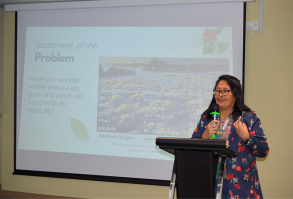
Regina Marie B. Nepomuceno at the 24th JMRC
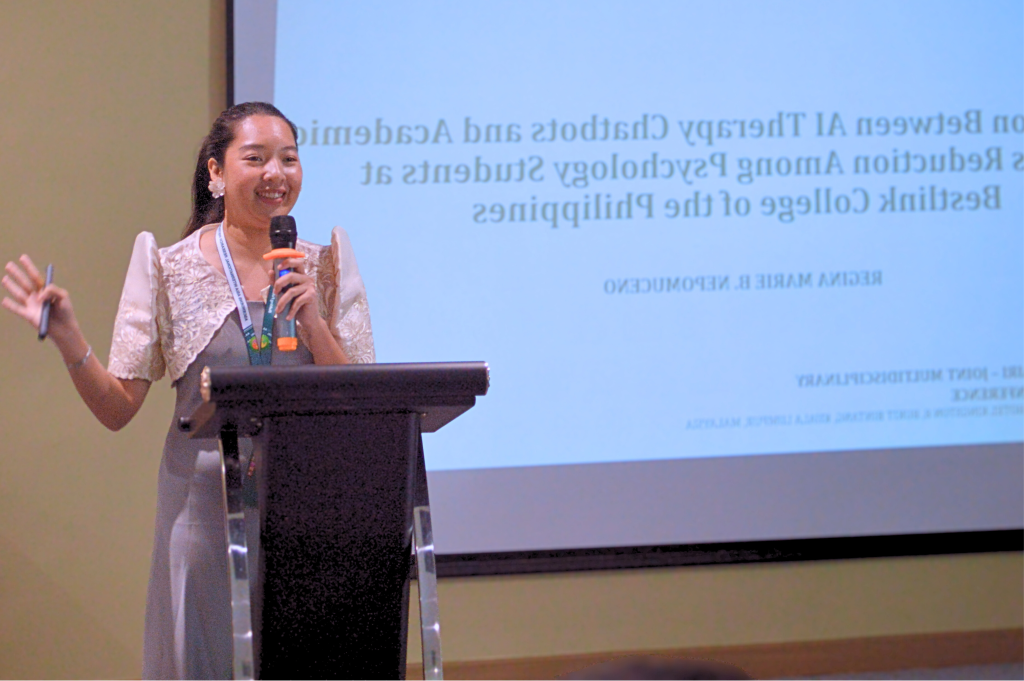
At the 24th Joint Multidisciplinary Research Conference (24JMRC) in Kuala Lumpur, a young Psychology graduate stepped onto the international stage carrying more than data and findings—she carried a mission.
Regina Marie B. Nepomuceno, a graduate of Bestlink College of the Philippines, is not simply a researcher. She is an advocate determined to confront one of the most pressing yet quietly endured challenges among Filipino students: academic stress compounded by stigma surrounding mental health.
A Purpose Forged by Resilience

Regina’s journey into research was not linear. At one point, she took a one-year break from her studies to address financial challenges and realign with her long-term goals. Rather than slowing her down, the pause strengthened her resolve.
“I hope to be part of the change that normalizes mental health conversations and promotes accessible, compassionate care.”
That resolve would later shape a research project that bridges psychology and technology—two fields increasingly intertwined in today’s academic landscape.
The Study: Can AI Help Heal?
Her paper, “Correlation Between AI Therapy Chatbots and Academic Stress Reduction Among Psychology Students at Bestlink College of the Philippines,” explored whether AI-powered therapy chatbots can meaningfully reduce academic stress.
The findings were compelling. Students who engaged with AI therapy chatbots reported decreased stress levels, suggesting that digital mental health tools can serve as accessible and scalable support systems—particularly for those who face barriers to traditional therapy due to cost, availability, or stigma.
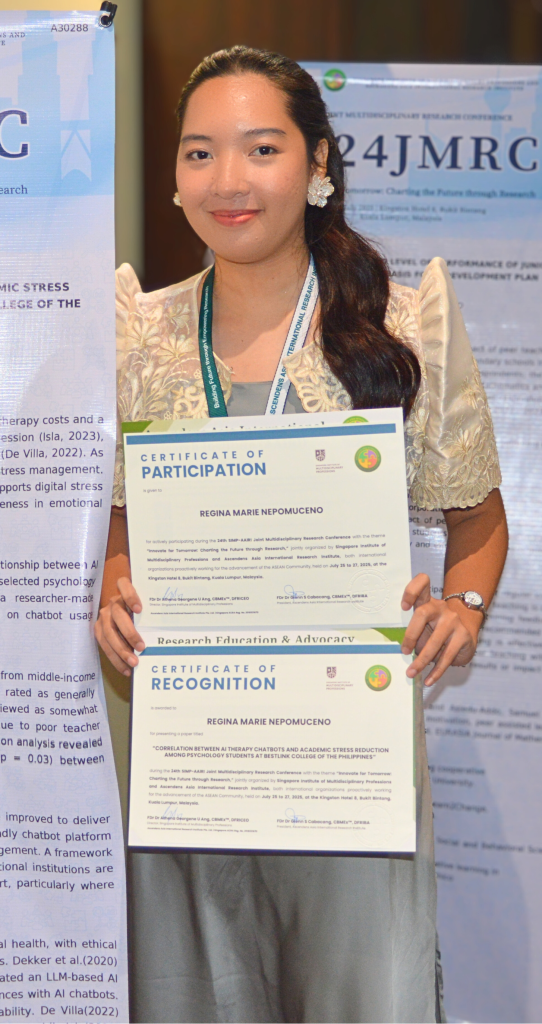
Rather than positioning technology as a replacement for human care, Regina’s study highlights AI as a complementary tool—one capable of extending support to students who might otherwise suffer in silence.
For educators, mental health professionals, and policymakers, the implications are clear: ethical, culturally sensitive integration of AI in student support systems is not a futuristic idea—it is a present necessity.
From Research to Real Impact: Kumusta Mind
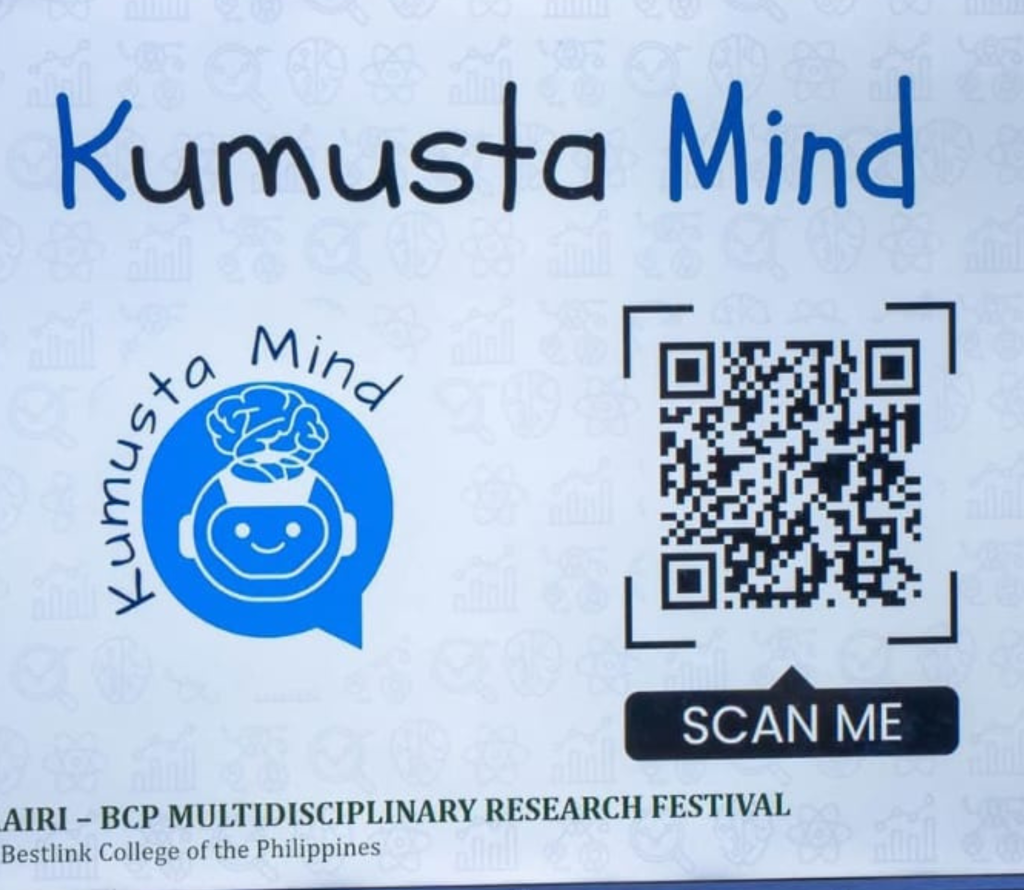
The study’s momentum did not stop at theoretical findings. Regina and her team developed Kumusta Mind, a digital platform envisioned as “a safe space for stress without judgment.”
Integrating AI into the research required navigating technical complexities, tight timelines, and emotional considerations about how chatbots influence well-being.
Guided by their adviser, Dr. Adora Angeline Babia, the team strengthened not only their analytical skills but also their public speaking confidence—learning to articulate research with clarity and conviction.
Their work demonstrates how student-led innovation, when supported by strong mentorship and the right platforms, can create tangible tools that respond to real student needs.
A Global Conversation in Kuala Lumpur
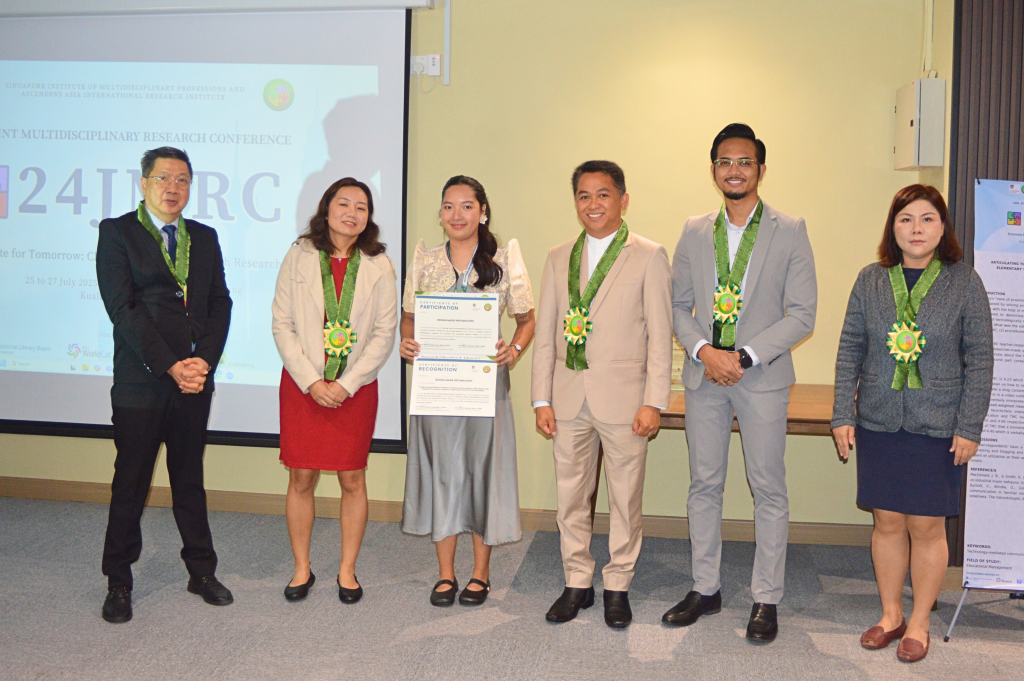
Presenting at the 24JMRC opened Regina’s research to an international audience. Engaging with scholars from diverse cultural backgrounds allowed her to see how mental wellness and digital innovation intersect globally.
“I had the opportunity to speak to people from different parts of the world, each with unique perspectives and cultural experiences.”
She described the experience as affirming. Encouraging feedback from both local and international participants reinforced the relevance of her work. One presentation that particularly inspired her was delivered by Dr. Henry Yeoh, whose reflections on purpose and success reignited her drive—not just as a researcher, but as a lifelong learner.
Looking Ahead: Research with Heart and Innovation
Regina’s aspirations extend beyond one conference presentation. She envisions a future where AI-supported mental health tools are culturally sensitive, accessible, and integrated within educational institutions—especially for underserved communities.
“I am eager to continue exploring the field of Psychology, as I believe there is still significant work to be done and countless individuals who can benefit from its advancements.”
Her goal is not merely academic publication, but systemic impact—shaping policies, influencing school-based mental health programs, and inspiring fellow researchers to pursue studies that matter.
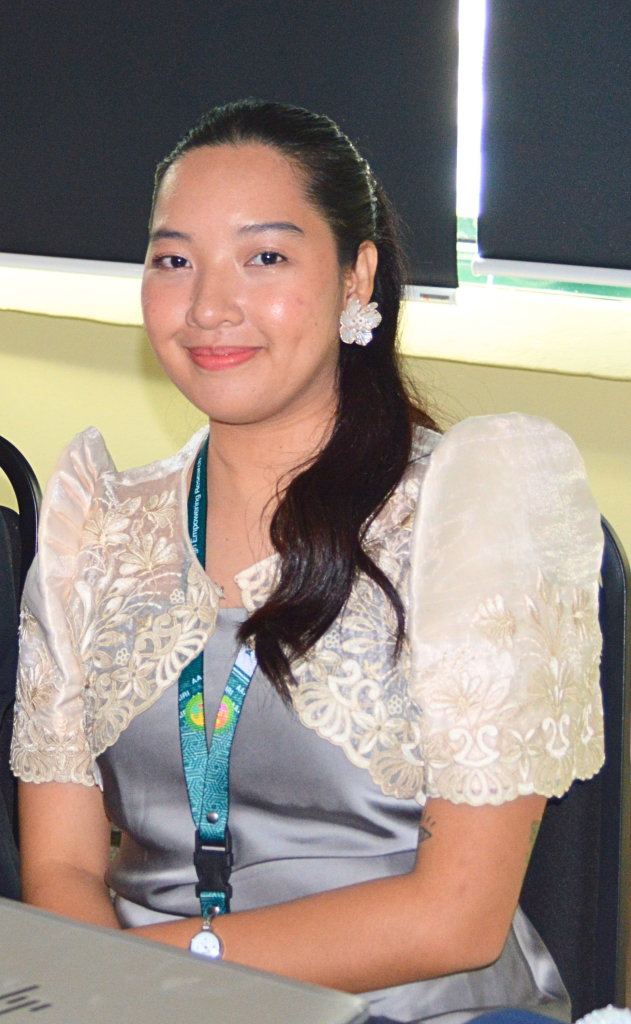
“Reducing academic stress is not just about managing pressure; it’s about nurturing the whole student for a healthier, more resilient future.”
— Regina Marie B. Nepomuceno
A Platform That Amplifies Purpose
Through her engagement with Ascendens Asia International Research Institute (AAIRI), Regina found a platform that allowed her voice to reach beyond her campus.

“I have gained valuable skills, deepened my understanding of my field, and learned to manage projects with greater autonomy. This opportunity has boosted my confidence and prepared me to tackle challenges with self-reliance and determination.”
AAIRI continues to provide emerging researchers like Regina with international exposure, structured research engagement, and opportunities for collaboration—building a community where innovation meets impact.
For young scholars who believe their research can shape conversations, inform policy, or transform lives, platforms like AAIRI are not just venues—they are launchpads.
Final Reflection
“True mental wellness means nurturing the whole student with empathy and innovation. Together, we can break stigma, expand access, and create a future where every student feels supported to thrive—academically and beyond.”

Regina’s work reminds us that research is not confined to journals and conference halls. At its best, it listens. It responds. And it creates spaces—digital or otherwise—where students feel seen, heard, and supported.
As academic communities continue to explore the intersection of AI and well-being, one thing is certain: the conversation has only just begun.
For more information on upcoming research festivals and collaborations, stay connected with Ascendens Asia International Research Institute.
Email: connect@aairi.org
WhatsApp: +63 (976) 413 1096 / +65 8413 7706




Social Profiles