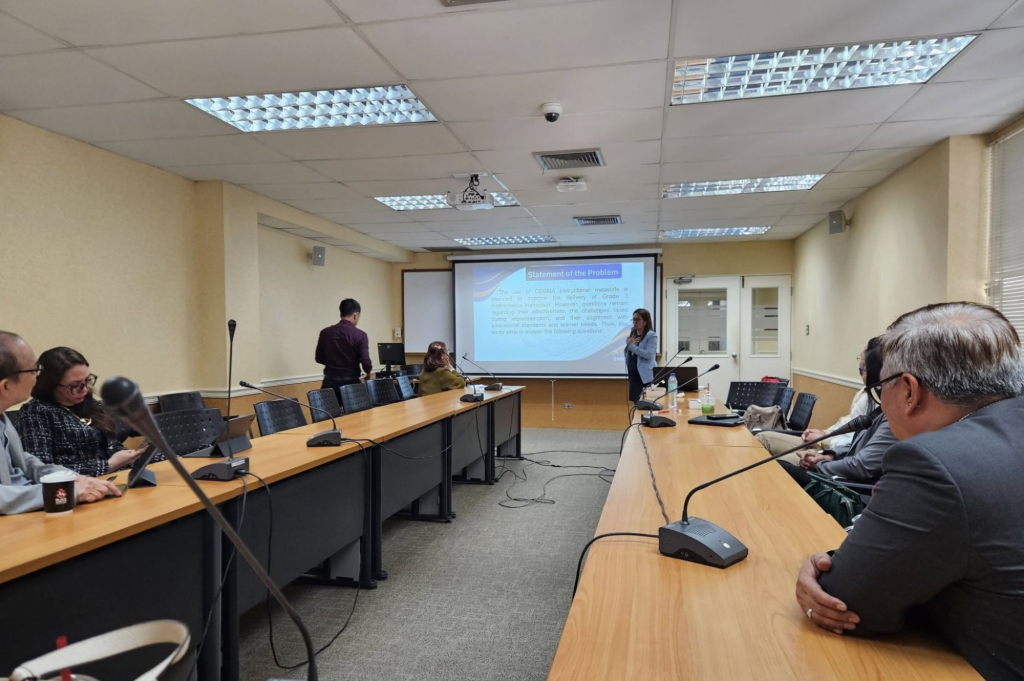
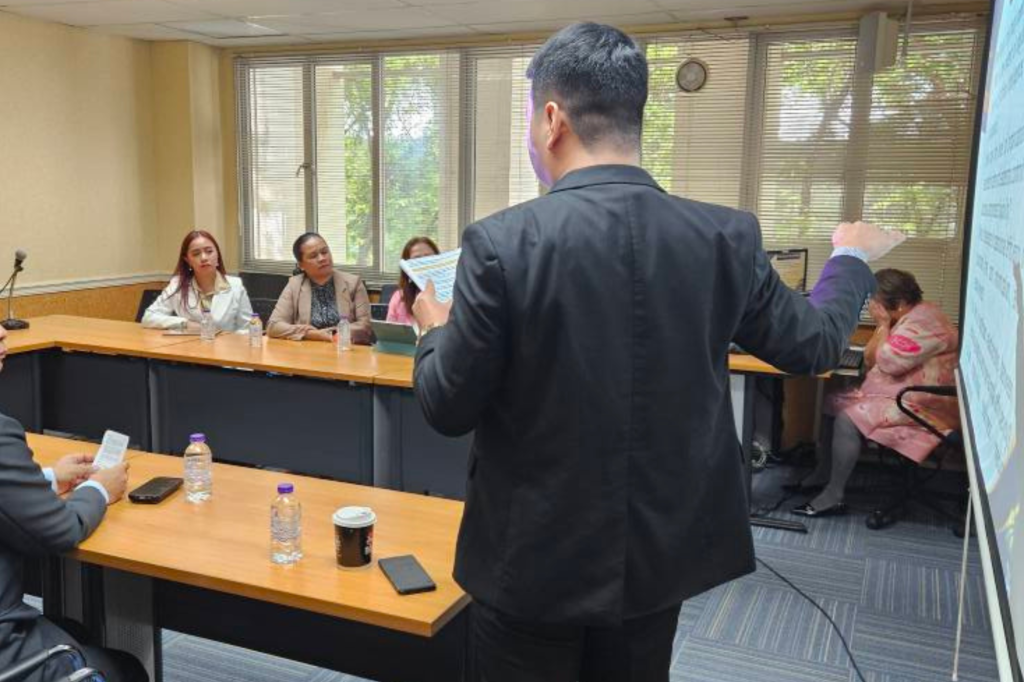
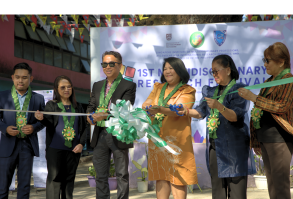
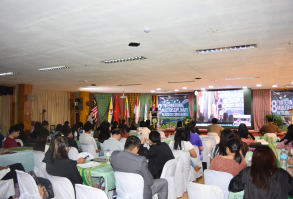
The 25th SIMP–AAIRI Joint Multidisciplinary Research Conference (JMRC), held on November 29, 2025, at Dhurakij Pundit University in Bangkok, Thailand, brought together scholars, practitioners, and thought leaders under the theme “Global Multidisciplinary Research and Educational Innovation: Transforming Societies toward Sustainable Development.”
The conference served as a dynamic platform for transforming research into practical solutions across key societal sectors. It showcased academic excellence and global collaboration, featuring 96 research papers from Filipino and Chinese scholars, with outstanding studies recognized for their scholarly quality, clarity, and real-world relevance.
Research Brilliance Presenters’ Highlights
The 25th JMRC showcased outstanding research across diverse fields, spotlighting presenters who distinguished themselves through innovative thinking, methodological rigor, and a clear vision for impact.
Dr. Melisa-Su A. Nagal of Saddleback Elementary School presented “Adapting Teaching Strategies for Diverse Learners: The Use of Differentiated Instructional Tools in Primary School Education.” The study examined primary school teachers’ perceptions and application of differentiated instruction (DI) tools, including educational technology, gamification strategies, and flexible classroom environments. Dr. Nagal highlighted how DI enhances student engagement and learning outcomes in diverse classrooms while also identifying challenges such as limited training and resource constraints. By offering actionable recommendations, the research contributes to developing inclusive, adaptive, and sustainable teaching practices, positioning differentiated instruction as a vital approach in modern primary education.
Dr. Jhannis S. Mercado Ramirez from the Department of Education presented a research study titled “Leadership Competencies of Private Insurance Company Executives Towards a Governance Efficiency Framework.” The study investigated how executive leadership competencies—particularly in strategic direction, ethical stewardship, and change management—enhance governance efficiency when coupled with innovation and stakeholder trust. Dr. Ramirez proposed a Governance Efficiency Framework emphasizing that effective leadership, reinforced by trust and innovation, is central to transparency, accountability, and organizational resilience, offering valuable insights for both public and private-sector governance.
Dr. Hedro Ian Jay T. Pacete of the Bureau of Internal Revenue presented “A Case Study on the Establishment of the National Food Security and Agri-Tourism Council (NFSATC) for Project Management in Ensuring Food Security through Agricultural Distribution and Tourism Integration.” His research examined structural and operational challenges in implementing the NFSATC mandate, highlighting institutional gaps while proposing solutions grounded in digital agriculture, climate-resilient farming, sustainable financing, and inter-agency collaboration. The study presents a future-ready model for food security and agri-tourism integration, positioning the NFSATC as a potentially resilient and globally competitive framework for rural development and agricultural sustainability.
Xu Yafang of the Philippine Christian University presented a research study, “Elements in Shaping English-Speaking Readers of English Novels in Chinese-Operated Online Platforms.” Through an analysis of five popular web novels, the study identified narrative elements—Progression Narratives, Cultural Hybridization, Cliffhanger Serialization, Complex Character Arcs, and Participatory Storytelling—that shape global reader engagement. Xu also addressed challenges such as genre loyalty and limited author-reader interaction, offering strategic insights to enhance reader retention and platform sustainability in the evolving digital literary landscape.
Research as a Catalyst for Sustainable Transformation
The best paper presenters of the 25th JMRC demonstrated that impactful research transcends disciplinary boundaries and geographical borders. Their studies reaffirmed the role of scholarship as a catalyst for innovation, governance reform, educational inclusivity, food security, and cultural exchange.
As the conference concluded, it left behind more than academic discussions—it fostered partnerships, inspired new research directions, and strengthened the global commitment to using knowledge as a tool for sustainable development and positive societal change.
For more information on upcoming research festivals and collaborations, stay connected with Ascendens Asia International Research Institute.
Email: connect@aairi.org
WhatsApp: +63 (976) 413 1096 / +65 8413 7706




Social Profiles